
What Are the Top Types of Modern Hotel Furniture?
A guest may remember a hotel lobby before recalling the room number: the soft chair by the window, the sturdy reception desk, or a bedside table within easy reach. Modern Hotel Furniture brings these everyday details together with a clear design purpose. It must look inviting, support comfort, and withstand frequent use. A beautiful finish alone is not enough. Planners also need to consider cleaning, maintenance, room size, and how guests move through each space.
This guide explores the main furniture types found in contemporary hotels, including lobby seating, reception desks, guest-room beds and storage, restaurant tables, and outdoor pieces. Each category serves a different need. A lounge chair should feel comfortable without blocking a walkway; a desk should offer practical workspace and accessible outlets. Materials matter, too. Upholstery, wood, metal, and engineered surfaces can perform differently under daily wear, so specifications and care requirements deserve close attention.
There is no perfect setup. That’s the point. A compact boutique property may prioritize flexible seating, while a large resort may need durable pieces for busy shared areas. Even experienced teams can misjudge how a sample looks under actual lighting or how much space a chair occupies once guests pull it out. The sections ahead compare common furniture types and explain what to assess before choosing them. The aim is not to follow a trend blindly, but to create rooms that feel cohesive, practical, and welcoming over time.
How Modern Hotel Furniture Is Classified by Space and Function
What Are the Top Types of Modern Hotel Furniture?
How Modern Hotel Furniture Is Classified by Space and Function
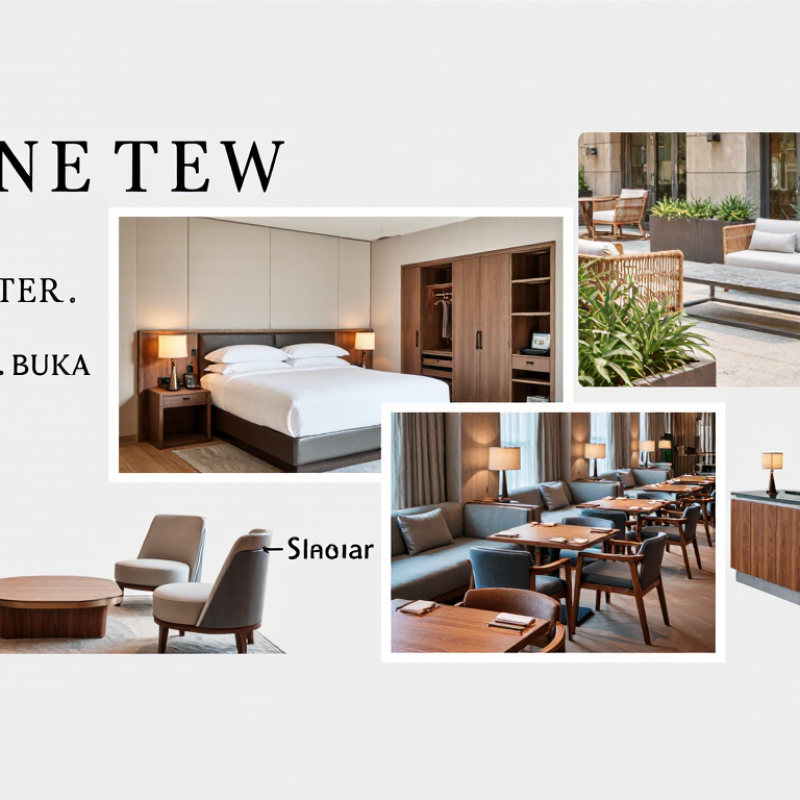
Modern hotel furniture is easiest to classify by where guests use it and what it helps them do. In guest rooms, beds, bedside tables, wardrobes, and desks support rest, storage, and work. A desk needs enough surface for a laptop, while a bedside table should keep a lamp and phone within reach. Small details matter. In lobbies, sofas, lounge chairs, and coffee tables create places to wait or meet. Durable upholstery and stable frames are practical choices for spaces with frequent use.
Dining areas call for tables and chairs suited to meal service, while meeting rooms need chairs and tables that can be rearranged. Outdoor patios may use weather-resistant seating and tables, but local climate and routine maintenance affect material choice. Staff areas have different needs: storage cabinets, workstations, and service carts help keep daily tasks organized. The categories can overlap. A lounge chair might fit both a guest room and a quiet lobby corner, though its size may not suit both.
Tips: Measure doors, walkways, and room layouts before selecting large pieces. Check cleanability, repair access, and seat comfort in person when possible. A stylish piece can still be awkward to use; I have seen plans overlook that. Keep a little flexibility for changing guest needs.
| Hotel Space | Furniture Type | Primary Function | Typical Features | Practical Considerations |
|---|---|---|---|---|
| Guest Room | Beds and Headboards | Provide sleeping support and anchor the room’s main design feature. | Platform or upholstered beds, integrated reading lights, padded or paneled headboards. | Choose durable upholstery and surfaces that are easy to clean; confirm compatibility with the selected mattress. |
| Guest Room | Nightstands and Bedside Tables | Keep personal items, lighting, and charging devices within reach. | Compact cabinets, open shelves, drawers, and cable-management openings. | Provide accessible outlets where required and allow enough clearance beside the bed. |
| Guest Room | Wardrobes and Luggage Racks | Store clothing and provide a convenient place to unpack luggage. | Hanging rails, shelves, drawers, mirrors, and foldable or fixed luggage stands. | Size storage to the room layout and ensure luggage surfaces can withstand repeated use. |
| Guest Room | Desks and Work Chairs | Support writing, laptop use, and other in-room tasks. | Work surfaces with a chair, task lighting, and nearby power access. | Allow usable legroom and select chair materials suited to frequent cleaning. |
| Guest Room | Lounge Chairs and Occasional Tables | Create a place to sit, read, or relax apart from the bed. | Armchairs, compact sofas, ottomans, and side tables. | Keep circulation routes clear and choose upholstery appropriate for the expected level of use. |
| Lobby and Reception | Reception Desks | Provide a staffed point for check-in, guest assistance, and administrative tasks. | Work surfaces, storage, cable routing, and counter sections at varied heights. | Plan for queue flow, staff equipment, privacy, and accessible service positions. |
| Lobby and Reception | Lobby Sofas and Lounge Seating | Offer waiting and informal meeting areas for guests. | Modular sofas, armchairs, benches, and coordinated occasional tables. | Use robust frames and cleanable fabrics; arrange seats to preserve clear walkways. |
| Restaurant and Bar | Dining Tables and Chairs | Support meals, drinks, and seated service. | Two- and four-seat tables, communal tables, chairs, and banquettes. | Match table height and seating to the service style, and leave room for staff and guest movement. |
| Meeting and Event Rooms | Conference Tables and Meeting Chairs | Support presentations, discussions, training, and group work. | Fixed or modular tables, stackable chairs, and surfaces with cable access. | Consider room layouts, storage between events, and the need to reconfigure furniture quickly. |
| Outdoor Areas | Patio Tables, Chairs, and Loungers | Provide seating and dining options on terraces, pool decks, and gardens. | Weather-suitable frames, outdoor cushions, dining sets, and sun loungers. | Select materials suited to local weather and provide a plan for cleaning and storing cushions. |