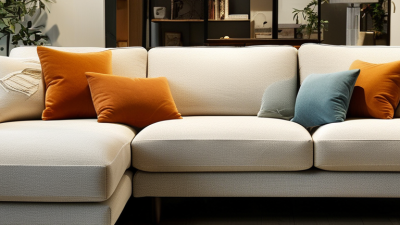
What Are the Top 10 Types of Lounge Benches?

A lounge bench is more than a place to sit. It shapes movement, privacy, conversation, and the first impression of a space. In hotels, offices, clinics, libraries, and reception areas, its form must answer practical questions. Does it support short visits or longer stays? Can people sit alone without feeling exposed? Will the upholstery survive daily cleaning?

The Global Wellness Institute reported that the global wellness economy reached $6.3 trillion in 2023. That growth increases attention on comfort, calm, and human-centered interiors. The 2024 Global Wellness Economy Monitor also projects continued expansion through 2028. These figures do not prove that every lounge bench improves wellbeing. They do show a stronger market focus on healthier experiences. Details still matter. ANSI/BIFMA X5.4 standards for lounge and public seating also remind designers to consider durability, stability, and performance.

Furniture-design authority Charles Eames said, “The details are not the details. They make the design.” His words fit the lounge bench perfectly. Seat depth, edge softness, leg clearance, fabric texture, and acoustic behavior can change the entire experience. A curved bench may encourage conversation. A backless model may support quick turnover. A banquette can make a narrow wall useful.

No ranking is perfect. A beautiful bench can feel uncomfortable. A highly durable one can appear cold. This guide examines ten leading lounge bench types, comparing their forms, uses, strengths, and limitations. The best choice depends on the room, users, maintenance plan, and budget. Small decisions become visible.
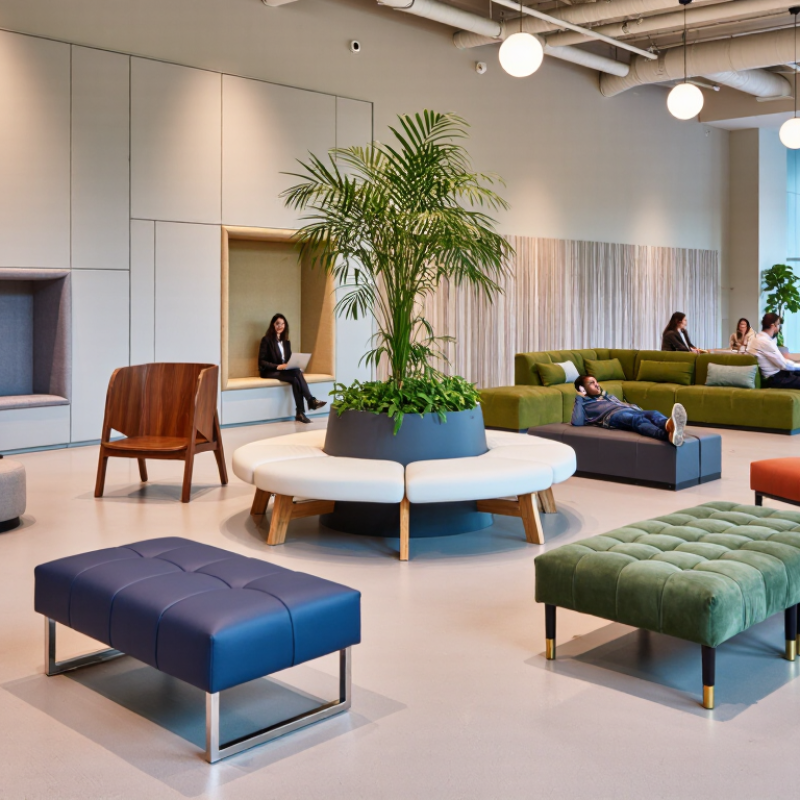
What Are the Top 10 Types of Lounge Benches?

Backless Benches and Banquette Benches

Backless Benches and Banquette Benches

Backless benches create visual openness in cafés, hotel lobbies, libraries, and flexible offices. They support short stays without making a room feel crowded. Banquette benches offer deeper comfort, fixed positioning, and clearer zoning along walls or windows. The choice depends on behavior, not appearance alone.

The Global Wellness Institute’s 2024 Global Wellness Economy Monitor valued wellness real estate at 438 billion dollars in 2023. That growth encourages designers to create calmer, more social interiors. A banquette with a 450–500 millimeter seat height, firm foam, and a supportive back can suit longer conversations. A backless bench usually works better near circulation paths, where users sit briefly and move on. Keep at least 900 millimeters of clear passage around busy seating areas. Small details matter.

CBRE’s 2024 Global Workplace Occupancy and Design Survey reported that many organizations are increasing collaborative and shared settings. Lounge benches respond well to this shift because they can host individuals, pairs, or small groups. Still, flexibility has limits. A fixed banquette may become awkward when teams need reconfiguration. A backless bench can also feel uncomfortable after twenty minutes. I have seen attractive benches underused because their edges were too sharp and their upholstery too slippery. That mistake is easy to repeat. Specify durable, cleanable fabric, rounded corners, and tested load ratings. Local accessibility requirements must also guide clearances and seating choices.

High-Back Benches and Privacy Benches

High-back benches are among the most useful lounge seating types. They suit reception areas, libraries, clinics, hotels, and quiet workplace zones. Their tall backrests support the shoulders and create a stronger visual boundary than standard benches. A seat depth of about 20 to 24 inches usually supports relaxed sitting without making movement difficult. Firm foam also helps users stand easily.

Privacy benches take that boundary further. Side panels or winged backs reduce direct views and soften nearby conversations. They work well in open rooms where people need focus without complete isolation. Useful versions include single-seat pods, two-seat benches, curved benches, modular benches, corner benches, storage benches, backless benches, outdoor benches, and upholstered divider benches. High-back and privacy models often provide the greatest sense of personal space.

Small details affect comfort. The edges should feel smooth, not sharp, especially near narrow walkways. Upholstery needs regular cleaning, while durable frames should remain stable under repeated daily use. In my experience, privacy panels can make a room feel calmer, but oversized panels may block light and reduce visibility. That trade-off deserves attention. Not every quiet-looking bench feels comfortable. Some high backs appear supportive but leave the lower back unsupported. A short trial period can reveal problems that product measurements miss. Lighting, cleaning access, and wheelchair circulation also need checking before installation.

Modular Benches and Sectional Benches

Among the top ten lounge-bench types, modular and sectional benches offer the strongest planning flexibility. Other common options include straight, curved, corner, backless, upholstered, wooden, metal, storage, and outdoor benches. Modular benches use repeatable units, while sectional benches connect different shapes, such as corner, arc, and chaise sections. Designers can create a two-seat waiting bench today, then expand it after occupancy grows.

Grand View Research valued the global furniture market at about USD 677.09 billion in 2023. Its forecast also indicates continued growth through 2030.

Fortune Business Insights estimates the modular furniture market could rise from roughly USD 57.93 billion in 2023 to USD 95.17 billion by 2032.

These figures support adaptable furniture planning, but demand alone does not guarantee a successful installation. That matters.

In practice, each module should allow comfortable movement and simple replacement. A 600-millimeter seat width often supports individual use, but local circulation needs may require more space. Sectional connectors must feel secure without becoming visible trip points.

I once underestimated connector access beneath a deep upholstered seat. Maintenance became awkward. The design looked refined, yet serviceability suffered.

Specify removable covers, replaceable glides, and durable foam before approving the final layout. Loose cushions can improve flexibility, although they may drift in busy public areas. A fixed backrest offers better alignment, but it reduces rearrangement options. Modular systems are useful, not automatically better.

Storage Benches and Built-In Benches

What Are the Top 10 Types of Lounge Benches?

Among the ten main lounge bench styles, storage benches and built-in benches offer the strongest mix of comfort and function. A storage bench can hide blankets, books, or children’s toys beneath a hinged or lift-off seat. In a small lounge, this feature protects walking space from clutter. Look for strong hinges, ventilation gaps, and a seat that opens without pinching fingers. A firm cushion usually supports longer sitting better than a very soft one.

Built-in benches create a more permanent seating area along a wall, window, or unused corner. They can follow the room’s exact width, which reduces awkward gaps and improves visual balance. I have found that a 45-centimetre seat height feels practical for most adults, but household users may prefer something different. Measure knee space carefully. A beautiful bench can still feel uncomfortable when the backrest sits too upright. Built-in designs also require more planning because moving them later is difficult.

Tips: Test the seat before choosing its depth. Keep everyday items in the easiest compartment. Use removable covers where spills are likely. Check wall structure before fixing a built-in bench. Do not ignore lighting; a bench under a dark window may become unused. I once prioritised appearance over access, and the storage became annoying to reach. That mistake still matters.

What Are the Top 10 Types of Lounge Benches? - Storage Benches and Built-In Benches

No. Lounge Bench Type Typical Best Use Typical Size
(W × D × H)
Seating Capacity Storage or Functional Feature Main Advantages Care Considerations
1 Lift-Top Storage Bench Living rooms, entryways, and bedrooms 36–60 × 16–20 × 18–20 in 2–3 adults Hinged seat with a concealed storage compartment Hides blankets, toys, books, and seasonal items while providing extra seating Do not overload the lid; check hinges periodically
2 Cubbie Storage Bench Mudrooms, family rooms, and children’s areas 36–72 × 14–18 × 18–20 in 2–4 adults Open compartments for baskets, shoes, or folded accessories Makes frequently used items easy to see and reach Use removable baskets and wipe spills promptly
3 Drawer Storage Bench Bedrooms, hallways, and compact lounges 40–72 × 16–20 × 18–20 in 2–4 adults One or more drawers for organized, concealed storage Provides better separation of small items than a single storage cavity Keep drawer slides clean and avoid excessive weight
4 Built-In Wall Bench Window seats, alcoves, reading corners, and open-plan rooms 48–96 × 18–24 × 17–19 in 2–5 adults May include hinged compartments, drawers, or fixed cabinetry Uses otherwise wasted wall space and can be tailored to the room Requires accurate installation and careful ventilation around enclosed storage
5 Window Seat Bench Bay windows, bedrooms, and quiet reading spaces 36–84 × 18–24 × 17–19 in 2–4 adults Optional under-seat storage or lift-up top Creates a comfortable focal point and takes advantage of natural light Protect upholstery from strong direct sunlight and moisture from windows
6 Banquette Bench Dining lounges, breakfast areas, and café-style interiors 48–96 × 18–24 × 17–19 in 2–5 adults Often fixed against a wall; storage can be added below the seat Accommodates more people in a narrow footprint than separate chairs Use stain-resistant upholstery and allow enough knee clearance
7 Ottoman Bench In front of sofas, at the foot of beds, and in flexible lounges 36–60 × 18–28 × 16–19 in 1–3 adults May provide a lift-up compartment; primarily serves as a footrest or occasional seat Lightweight, versatile, and easy to reposition Use non-slip feet and avoid standing on the cushion
8 Backless Lounge Bench Room dividers, entryways, and the end of a bed 36–72 × 14–20 × 17–19 in 2–4 adults Usually open underneath; some versions include shelves or baskets Maintains visual openness and allows seating from either side Best for short-duration seating because it offers limited back support
9 Upholstered Lounge Bench Living rooms, reception areas, and bedroom seating 40–72 × 18–24 × 18–20 in 2–4 adults Typically no storage; focuses on comfort and decorative appeal Soft padding offers comfortable occasional seating and design flexibility Vacuum regularly and follow the fabric manufacturer’s cleaning instructions
10 Outdoor Lounge Bench Patios, balconies, porches, and garden seating areas 42–72 × 18–24 × 17–20 in 2–4 adults May include weather-resistant cushions or concealed deck storage Adds flexible seating while supporting outdoor entertaining Use outdoor-rated materials, allow drainage, and cover during severe weather

Note: Dimensions are typical planning ranges. Actual sizes, weight capacities, and storage volume vary by construction and intended use.

Outdoor Benches and Sculptural Benches

Outdoor lounge benches turn open areas into comfortable social rooms. Common types include slatted benches, curved benches, backless benches, concrete benches, timber benches, and modular lounge seats. In my experience, slatted designs dry faster after rain, while deep lounge forms feel warmer but can collect water. Seat height matters too. Around 430 to 480 millimeters usually supports relaxed sitting without making standing difficult.

Sculptural benches add identity through unusual curves, carved surfaces, or abstract silhouettes. They can resemble folded ribbons, smooth stones, or low waves. Their visual impact is strong. Yet beauty must not replace comfort. Sharp corners, unstable bases, and overly narrow seats quickly become practical problems. I once selected a dramatic bench with poor drainage, and its recessed surface stayed wet for hours. That decision looked clever on paper, but daily use exposed the weakness.

Material selection should follow the site, not fashion. Powder-coated metal suits modern plazas, while treated wood softens gardens and courtyards. Recycled composite materials resist splinters and need less routine care. Check surface temperature, slip resistance, fasteners, and cleaning access before installation. Outdoor benches also need firm anchoring in windy locations. Sculptural pieces deserve extra inspection because complex shapes can hide cracks or loose connections. Leave enough space around each bench for movement, wheelchairs, and passing conversations. A beautiful object should invite people to stay, not force them to balance.

Pin It on Pinterest

Share This