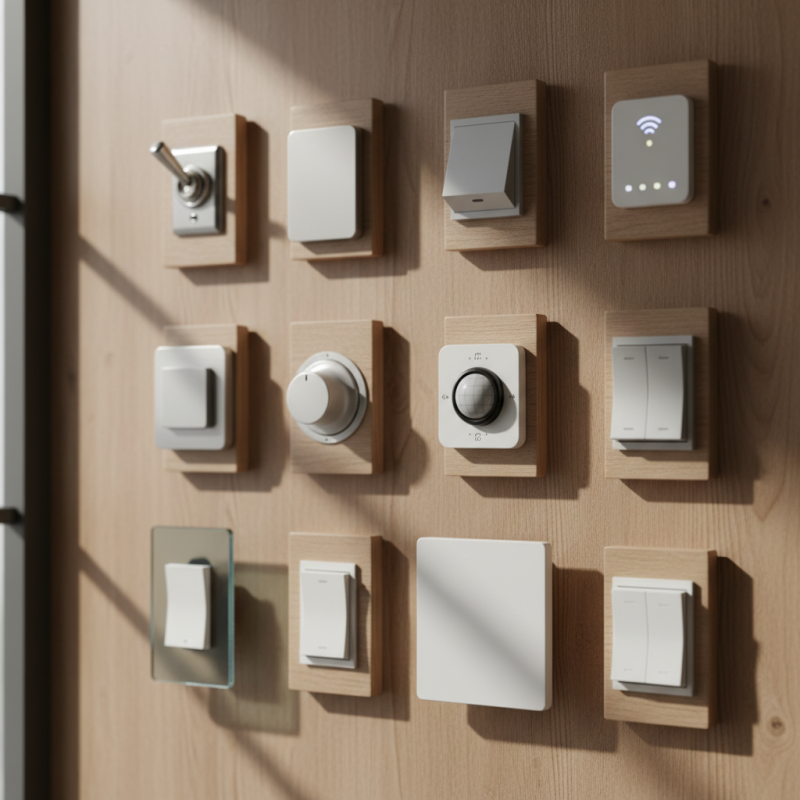
Top 10 Light Switch Types Every Buyer Should Know?
Choosing the right Light Switch can significantly impact your home’s functionality and style. Light switches are often overlooked, yet they play a crucial role in daily life. Understanding the different types available is essential for any buyer.
There are numerous light switch designs to consider. From traditional toggle switches to modern smart options, each type offers unique features. Knowing these distinctions can help you select what suits your needs best. However, many buyers may feel overwhelmed by the options. The market is full of choices, and not all switches are created equal.
This guide highlights the top 10 light switch types every buyer should know. It draws on expertise to help you make informed decisions. Highlighting both advantages and disadvantages ensures a balanced view. Embracing this knowledge can lead to improved lighting solutions in your home.
Types of Single-Pole Light Switches and Their Uses
When it comes to single-pole light switches, understanding their functionality is essential for any homeowner. A single-pole switch operates a light from one location. It features two terminals and connects directly to the light fixture. This simplicity makes it a favorite for controlling lights in bedrooms or hallways.
Another type of single-pole switch is the dimmer switch. It allows you to adjust the brightness of the light. This flexibility enhances ambiance and can save energy. However, improper installation may lead to flickering lights or, worse, electrical issues. Additionally, there are toggle and rocker styles. These cater to different aesthetic preferences while maintaining ease of use. A toggle switch offers a classic feel, while a rocker gives a modern touch.
Choosing the right switch involves considering both functionality and style. You might find yourself torn between the traditional toggle and the sleek rocker. Ensure your selection fits the room's design and your specific needs. It's important to consult with a professional if you're unsure. Making a hasty decision can lead to regrets later on. Finding the right switch ultimately enhances your space and ensures safety.
Understanding Three-Way and Four-Way Light Switch Configurations
Three-way and four-way light switch configurations are essential for managing lighting in larger spaces. A three-way switch allows control from two locations, ideal for hallways and staircases. This system enhances convenience and safety, reducing the chances of accidents in dark areas. According to the National Electrical Code, proper installation is crucial. Improper wiring can create hazards, making it vital to consult with professionals before proceeding.
Four-way switches expand the control even further. They are positioned between two three-way switches and allow for three or more controlled points. This configuration is useful in expansive rooms or long hallways. Data indicates that homes with better lighting configurations see a 20% reduction in energy consumption. However, the complexity of installation can lead to mistakes. Homeowners should familiarize themselves with wiring diagrams before attempting any installation. Misunderstandings can cause operational failures. Ensuring a thorough understanding prevents common pitfalls, ensuring a safer living environment.
Exploring Dimmer Switch Options for Different Lighting Needs
Dimmer switches have gained popularity for their versatility and ability to enhance lighting control. According to a recent report from the Lighting Research Center, dimmer switches can reduce energy consumption by up to 20% when used properly. This means that choosing an effective dimmer can make a significant impact on both your electric bill and the environment.
When considering dimmer options, it is essential to understand different types available in the market. For example, leading industry reports indicate that smart dimmers are becoming increasingly prevalent. They allow users to control lighting from their smartphones or voice-activated devices, offering added convenience and energy efficiency. However, these smart options may require a reliable Wi-Fi connection, which could pose challenges in some homes.
Additionally, traditional incandescent dimmers remain a popular choice but may not be as energy-efficient as modern alternatives. Users need to weigh the benefits of adjustable brightness against potential energy savings. While dimmers provide flexibility, they also require careful installation to avoid dimming issues, such as flickering. Every buyer should reflect on their specific lighting needs and preferences to make an informed choice.
Top 10 Light Switch Types Every Buyer Should Know
This chart illustrates the distribution of different types of light switches preferred for various lighting needs. The data is based on common usage patterns observed in residential settings.
Smart Light Switches: Features and Installation Benefits
Smart light switches are revolutionizing how we manage lighting in our homes. These devices offer more than just typical on and off functions. Many smart switches allow for customizable settings. Users can schedule lights to turn on or off at specific times. Some even offer dimming features or color changes based on the time of day.
Installation of smart switches is usually straightforward. Many models fit into standard switch boxes. However, not all homes have compatible wiring. This is a crucial aspect to consider before purchasing. Some users may need to evaluate their home's infrastructure. Professional installation may be required in certain cases.
The benefits of smart switches extend beyond convenience. They promote energy efficiency by reducing unnecessary power usage. Smart switches often connect to home networks, enabling remote control via smartphone apps. However, this could pose security risks if not properly secured. Users must reflect on their privacy settings to ensure a safe connected experience. The balance between convenience and security remains an essential consideration.
Specialty Light Switches: Toggle, Rocker, and Push Button Designs
When choosing specialty light switches, several designs stand out: toggle, rocker, and push button switches. Each type offers unique advantages that cater to different preferences and decor styles. According to a report by the National Electrical Manufacturers Association, toggle switches dominate the market, comprising about 40% of sales. Their classic look appeals to traditional aesthetics and is often found in older homes.
Rocker switches, on the other hand, account for about 30% of all installations. Their sleek design is not only modern but also user-friendly. Rocker switches are ideal for wide-reaching control, providing a seamless experience with just a gentle push. They are particularly effective in high-traffic areas where ease of use is paramount.
Push button switches may account for the smallest share, approximately 20%. Their compact size and sophisticated look make them popular in contemporary settings. Tip: Choose a push button switch if you have limited space or desire a minimalist appearance. It’s important to consider the overall lighting requirements and personal style when selecting a switch type. Make an informed choice for your lighting needs. Balancing aesthetics and functionality is key.