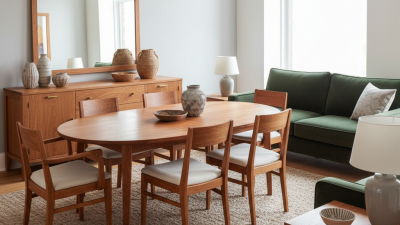
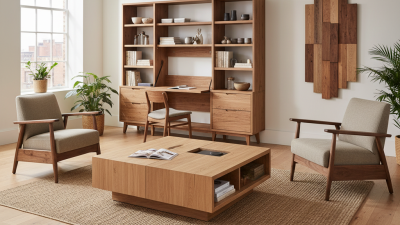
Top 10 Tips for Choosing Quality Wooden Furniture?
When it comes to selecting quality wooden furniture, expertise matters. Mark Legrand, a renowned furniture designer with over 20 years of experience, emphasizes, "The beauty of wooden furniture lies in its craftsmanship." This statement highlights the importance of understanding craftsmanship when choosing pieces that will last.
Quality wooden furniture can become a centerpiece in any home. However, many consumers struggle to distinguish between high-quality and low-quality options. It's essential to consider factors such as wood type, finishes, and joinery techniques. For instance, solid hardwood offers durability compared to softwoods. Consumers often overlook these aspects, leading to unsatisfactory purchases that do not withstand the test of time.
Understanding the nuances of wooden furniture can be challenging. Potential buyers should educate themselves about different styles and functionalities. Visual appeal alone is not enough. Many furniture choices might look stunning but lack structural integrity. Reflecting on these factors can lead to better-informed decisions, ensuring that your investment in wooden furniture adds both beauty and longevity to your home.
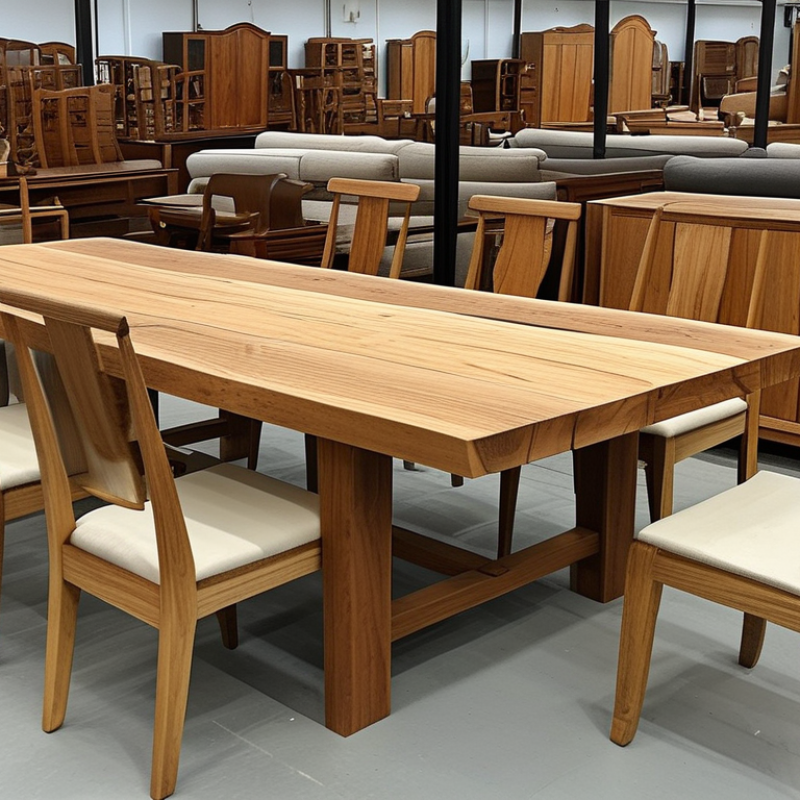
Understanding Different Types of Wood for Furniture Making
Choosing quality wooden furniture involves understanding the types of wood available. Different woods have unique characteristics that affect durability, appearance, and maintenance. For instance, hardwoods like oak and maple are more resilient than softwoods. They resist wear and tear, making them ideal for furniture that sees daily use. Each wood type also has its distinct grain pattern and color, influencing the overall look of your space.
A common tip is to inspect the wood grain closely. Look for uneven patterns; that can indicate poor quality. A smoother grain often means a finer finish. Additionally, consider the wood's source. Sustainably harvested wood is both environmentally friendly and typically of higher quality. Be wary of types that may warp over time, leading to regrets down the line.
To ensure durability, investigate the furniture's joinery. Solid wood joints are generally superior to those glued or stapled. For piece longevity, choose furniture made with proper craftsmanship. Finally, trust your instincts when it comes to quality. Sometimes, the touch and feel of the wood tell a story you can't ignore.
Top 10 Types of Wood Used in Furniture Making
Evaluating the Construction Techniques of Wooden Furniture
When evaluating wooden furniture, construction techniques play a vital role in determining quality. Solid wood types, like oak or maple, often indicate durability. Look for joints such as mortise and tenon, which offer strength. These joints hold pieces together better than simple nail or glue methods.
Examine the finish closely. A well-applied finish not only enhances the look but also protects the wood. Sometimes, a too-perfect finish may hide flaws underneath. Pay attention to the grain pattern; unique grains suggest solid wood rather than laminate. It's essential to feel the texture as well; smooth surfaces indicate good craftsmanship.
Watch for signs of sustainability in the sourcing of wood. Furniture made from responsibly harvested wood demonstrates a commitment to the environment. However, this is not always clearly marked. Be cautious and inquire about the wood’s origin. Also, consider weight; solid wood furniture is typically heavier, signaling quality. Trust your instincts; if something feels off about the piece, it might not be the right choice for you.
Assessing the Finish and Sustainability of Wooden Furniture
When selecting wooden furniture, the finish is crucial. A high-quality finish enhances beauty and protects the wood. Look for finishes that are smooth to the touch. Signs of unevenness may indicate poor craftsmanship. Examine the sheen; it should be consistent across all surfaces. A dull finish could suggest that the furniture is not well cared for or improperly treated.
Sustainability plays a significant role in today’s furniture choices. Opt for wood sourced from responsibly managed forests. Certifications can help identify sustainable practices. Be wary of furniture with unknown origins. Look for brands that prioritize renewable resources. The ecological impact of production should influence your decision. Consider how the furniture will affect future generations. Investing in sustainable options supports a healthier planet.
Choosing quality wooden furniture means balancing aesthetics, durability, and environmental responsibility. While costs may vary, the right choice pays off in the long run. Reflect on your priorities when shopping. Are you focused solely on appearance? Or, are you considering the planet’s future? Each choice matters. The time spent researching will lead to better decisions in your furniture investment.
Choosing Styles That Fit Your Space and Lifestyle
When selecting wooden furniture, aligning styles with your space and lifestyle is crucial. For example, consider the architectural design of your home. A rustic farmhouse aesthetic requires different choices than a modern minimalist setting. A report from the American Society of Furniture Designers indicates that nearly 55% of consumers feel more connected to their homes when their furniture matches the overall style.
Think about your daily activities. If you entertain often, choose furniture that encourages social interaction. A large wooden dining table can be the centerpiece of gatherings. However, if your lifestyle leans toward relaxation, opt for a comfortable wooden lounge chair or a simple bench. A study by the International Wood Products Association reveals that 67% of consumers prioritize comfort when selecting furniture.
Pay attention to color and finish as well. Dark woods can create a cozy, intimate environment but may overpower smaller rooms. Lighter finishes can make a space feel airy but may not provide the durability needed for high-traffic areas. It’s important to reflect on what truly suits your needs and how your furniture can either enhance or detract from your daily life. Finding the right balance might take time and experimentation.
Identifying Trusted Manufacturers and Brands for Quality Furniture
When selecting wooden furniture, identifying trusted manufacturers is essential. According to a report by the Home Furnishings Association, nearly 70% of consumers prioritize quality over price. This means that investing in reliable brands can lead to greater satisfaction in the long run. Quality manufacturers often use sustainable sourcing methods. Look for certifications like FSC (Forest Stewardship Council) to ensure ethical practices.
Researching a company’s reputation is key. Websites like Better Business Bureau provide insights into customer experiences. High customer ratings usually indicate trustworthy manufacturers. However, online reviews can sometimes be misleading. Not every negative comment reflects true quality. It’s helpful to look for patterns in feedback rather than isolated cases.
Another important aspect is craftsmanship. Pay attention to joinery techniques and finishes. Handmade pieces often offer superior durability. In fact, a survey by the American Home Furnishings Alliance noted that well-crafted furniture lasts longer. This not only enhances value but also reduces waste. Prioritizing these details can lead to a more informed choice. Ultimately, taking time to evaluate manufacturers can make a significant difference in your furniture selection.