
In recent years, the demand for Indoor WPC Wall Panels has surged. These panels offer a blend of durability and aesthetics, making them a favorite among homeowners and designers alike. Buyers across the globe are increasingly drawn to their numerous benefits. Each feature adds value to spaces in unique ways.
Indoor WPC Wall Panels are designed for both style and function. They resist moisture and are easy to clean, making them ideal for various environments. Moreover, their lightweight nature simplifies installation. With a variety of finishes available, they can complement any decor theme. The growing trends in green building also highlight their eco-friendly attributes.
However, not all panels are created equal. Buyers need to consider factors like quality and sourcing carefully. Some may overlook these aspects, leading to dissatisfaction later. Understanding the true potential of Indoor WPC Wall Panels can help buyers make informed choices. Embracing this material could transform living spaces into stunning showcases of modern design.
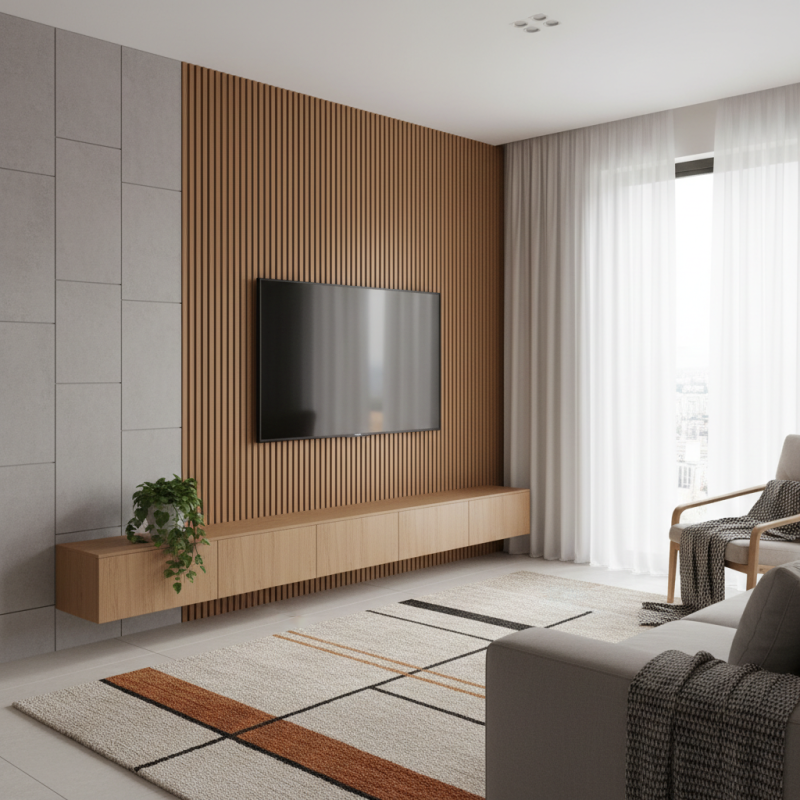
Indoor WPC wall panels are gaining popularity among global buyers. These panels offer numerous benefits that enhance both aesthetics and practicality. WPC, or wood-plastic composite, combines wood fibers with thermoplastics, creating a durable and versatile product. Many homeowners and commercial spaces prefer these panels due to their weather resistance and ease of maintenance.
One tangible benefit is their impressive durability. WPC panels resist rot and moisture, making them ideal for humid environments. They maintain their appearance over time, reducing the need for frequent replacements. Think about this: investing in durable materials can save money in the long run. Additionally, they come in various colors and textures, allowing for creative designs tailored to individual tastes.
Tips for choosing WPC panels include considering the installation environment. Ensure the chosen panels will withstand local climate conditions. Measure the space accurately to avoid fit issues. It's crucial to assess the quality of materials used, as this can impact longevity. Remember, while WPC panels are resilient, not all products offer the same level of quality. Take the time to research and select wisely.
Enhanced Durability: WPC Panels vs. Traditional Materials
Wood Plastic Composite (WPC) panels stand out for their exceptional durability. Reports indicate that WPC materials can last up to 25 years with proper care. This lifespan significantly exceeds that of traditional wooden panels, which often suffer from rot and insect damage. According to the American Institute of Timber Construction, traditional wood materials typically require frequent maintenance and replacement, leading to higher long-term costs.
WPC panels resist moisture better than conventional options. They do not warp, crack, or split, even in humid conditions. This resistance makes WPC ideal for indoor environments, particularly in areas prone to humidity. However, it's essential to note that improper installation can compromise their durability. Ensure panels are installed correctly to achieve their maximum lifespan.
Tip: Always check for warranty and maintenance guidelines when purchasing WPC panels. This ensures you’re aware of their care needs and durability expectations.
When considering aesthetics, WPC panels also outperform traditional materials. They can mimic the look of natural wood without the associated downsides. However, not all WPC panels are created equal. Differences in manufacturing processes lead to varying quality. Research and select panels from reputable manufacturers for the best results.
Tip: Request samples to evaluate texture and appearance before making a purchase. This allows you to ensure the right fit for your space.
The cost-effectiveness of WPC (Wood Plastic Composite) wall panels is significant for global buyers. Investing in WPC panels can lead to long-term savings. Research indicates that these panels can last up to 25 years with minimal maintenance. This durability reduces replacement costs and maintenance efforts.
Statistics show that homeowners save approximately 20% to 30% on overall maintenance compared to traditional materials. WPC panels resist rot, mold, and termites, which are common issues in wooden structures. This resistance minimizes repairs and replacements, contributing to long-term savings.
Tip: Always evaluate the total lifecycle cost of building materials. Initial costs matter, but long-term savings are crucial.
Buyers should consider installation costs too. While WPC panels may have a higher upfront price, they save more during installation due to their lightweight nature. Reduced labor costs can result from easier handling during setup.
Tip: Look for suppliers that provide detailed maintenance guidelines. This can enhance the panels' lifespan and your savings.
Reflecting on these factors shows that WPC panels are a practical choice. Investing wisely requires knowing what to look for in durability and overall cost savings.
WPC, or wood-plastic composite, is an innovative material that offers significant eco-friendly advantages. Made from recycled wood fibers and thermoplastics, WPC reduces the need for virgin materials. This makes it a sustainable choice for building and interior design. The durability of WPC also means longer life spans, reducing waste over time.
Many buyers appreciate WPC's resistance to moisture and pests. This durability translates into less frequent replacements. While WPC panels are often seen as a solid investment, they do require careful installation. Improper fits can lead to issues down the line, which buyers should be aware of.
Eco-friendly attributes extend beyond the product itself. The production process often uses less energy and water compared to traditional materials. However, consumers should critically assess the sourcing of WPC. Not all products are equal. Ensuring a product meets stringent sustainability standards is essential.
| Benefit | Description | Eco-Friendly Attribute | Sustainability Aspect |
|---|---|---|---|
| Durability | WPC panels resist warping, cracking, and weathering. | Made from recycled materials, reducing waste. | Long lifespan reduces the need for replacements. |
| Low Maintenance | Requires minimal upkeep compared to traditional wood. | Less frequent cleaning materials needed. | Saves resources over time. |
| Aesthetic Flexibility | Available in various colors and textures. | Minimizes the need for chemical finishes. | Enhances design options without environmental cost. |
| Resistance to Pests | Insect and pest resistant properties. | No harmful pesticides required. | Promotes a healthier indoor environment. |
| Fire Resistance | Higher fire resistance compared to wood. | Materials used are often non-toxic. | Less contribution to harmful emissions. |
| Sound Insulation | Natural sound-dampening characteristics. | Reduces noise pollution. | Creates a more pleasant indoor atmosphere. |
| Energy Efficiency | Contributes to better insulation. | Reduces energy consumption for heating/cooling. | Supports climate-friendly building practices. |
| Easy Installation | Lightweight and user-friendly designs. | Less tools and materials needed. | Decreases labor and material waste. |
| Water Resistance | Does not absorb moisture, preventing rot. | Eliminates the need for harmful sealants. | Long-lasting performance in humid conditions. |
| Cost-Effective | Affordable investment for indoor spaces. | Saves on material and labor costs over time. | Increases overall project sustainability. |
Design flexibility is a major advantage of indoor WPC wall panels. These panels offer various customization options that appeal to different aesthetic preferences. Homeowners can choose from an array of colors, textures, and finishes. Whether aiming for a rustic, modern, or minimalistic look, WPC panels cater to all styles. The versatility of these materials allows individuals to create unique spaces tailored to their vision.
Customization also extends to panel sizes and shapes. Buyers can select large panels for a seamless look or smaller, modular pieces for intricate designs. These options enable creative installations that enhance the character of any room. It’s essential to consider how different combinations can impact the overall design. Experimentation often leads to unexpected results, which may not align with initial plans. Reflecting on the design process can help fine-tune the final outcome and ensure satisfaction.
Additionally, WPC panels can mimic the appearance of natural wood or stone without the associated upkeep. This quality provides a reliable solution for busy individuals. However, it is crucial to assess material compatibility with existing furnishings. Balancing aesthetics and functionality can be challenging, but it is vital for a cohesive environment. Engaging in this thoughtful design journey ultimately leads to spaces that resonate with personal style.
Indoor WPC Wall Panels are rapidly becoming a preferred choice for global buyers due to their numerous benefits. One key advantage is enhanced durability, as WPC panels outperform traditional materials in resisting wear and tear. Moreover, their cost-effectiveness leads to long-term savings, making them a financially sound investment for any space.
Additionally, Indoor WPC Wall Panels are eco-friendly, promoting sustainability through their recyclable materials. They also offer remarkable design flexibility, allowing for customization that suits various aesthetic preferences. Another significant benefit is their resistance to moisture and mold, which ensures superior performance in diverse indoor environments. Overall, these features make Indoor WPC Wall Panels an ideal solution for modern interior design needs.