How to Care for Wooden Furniture and Extend Its Lifespan?
Caring for wooden furniture is essential for its longevity. According to Dr. Jason Hartman, a renowned expert in sustainable woodcraft, "Proper care can make wooden furniture last a lifetime." This wisdom highlights the importance of maintenance in preserving the beauty and functionality of these pieces.
Wooden furniture can be elegant and durable, but it requires special attention. Regular cleaning with a soft, damp cloth can prevent dust buildup. Applying wax or polish can enhance its shine while protecting the surface. However, many people overlook the impact of humidity. Excess moisture or dry air can warp the wood.
Additionally, placement matters. Keeping wooden furniture away from direct sunlight can prevent fading. However, people often forget this simple step. Over time, neglect can diminish the quality of even the finest pieces. Taking these precautions can keep your wooden furniture looking stunning for years to come.
Understanding the Material: Types of Wood Used in Furniture Making
When it comes to wooden furniture, the type of wood plays a crucial role in its durability and appearance. Commonly used woods include oak, maple, cherry, and pine. According to industry reports, oak is known for its strength and resistance to wear, making it a popular choice for tables and chairs. In contrast, softer woods like pine can dent easily and may require more care.
Many consumers overlook the importance of grain and finish. Each wood type has unique grain patterns that add character. Cherry wood darkens over time, while maple offers a clean, light look. A report by the American Hardwood Information Center states that properly finished furniture can last over a decade longer than unfinished pieces. However, even high-quality wood can show signs of wear without proper care.
Humidity affects wood significantly. It can expand or contract, leading to cracks or gaps. For instance, a study from the Forest Products Laboratory indicates that indoor humidity levels should be kept between 30% and 50% to maintain wooden furniture. Many people struggle to maintain these levels, thus undermining the longevity of their pieces. Understanding these nuances can significantly impact the lifespan of your wooden furniture.
Wood Types Used in Furniture Making and Their Durability
Importance of Humidity Control for Wooden Furniture Longevity
Maintaining the right humidity levels is crucial for wooden furniture. Wood is sensitive to changes in moisture. High humidity can cause wood to swell, while low humidity can lead to cracks. The ideal indoor humidity level for wood is typically between 30% and 50%. According to a report by the Wood Institute, maintaining this range can extend the lifespan of wooden pieces by up to 40%.
Many homeowners overlook humidity control. In areas with extreme fluctuations, wood furniture is at risk. For example, wooden chairs may warp in humid conditions. Conversely, in dry conditions, tables might develop fissures. A simple hygrometer can help monitor indoor humidity. If levels are too high, a dehumidifier may be necessary. Conversely, a humidifier can add moisture in dry seasons.
Small changes can make a significant impact. Dusting regularly with a damp cloth can help keep surfaces clean while contributing to humidity. Avoid placing furniture near heating vents or air conditioning units, as this can lead to uneven drying. While these steps may seem minor, they can prevent long-term damage to your beloved furniture. Promoting a stable environment for wooden items pays off in longevity and beauty.
Best Practices for Cleaning and Maintaining Wooden Surfaces
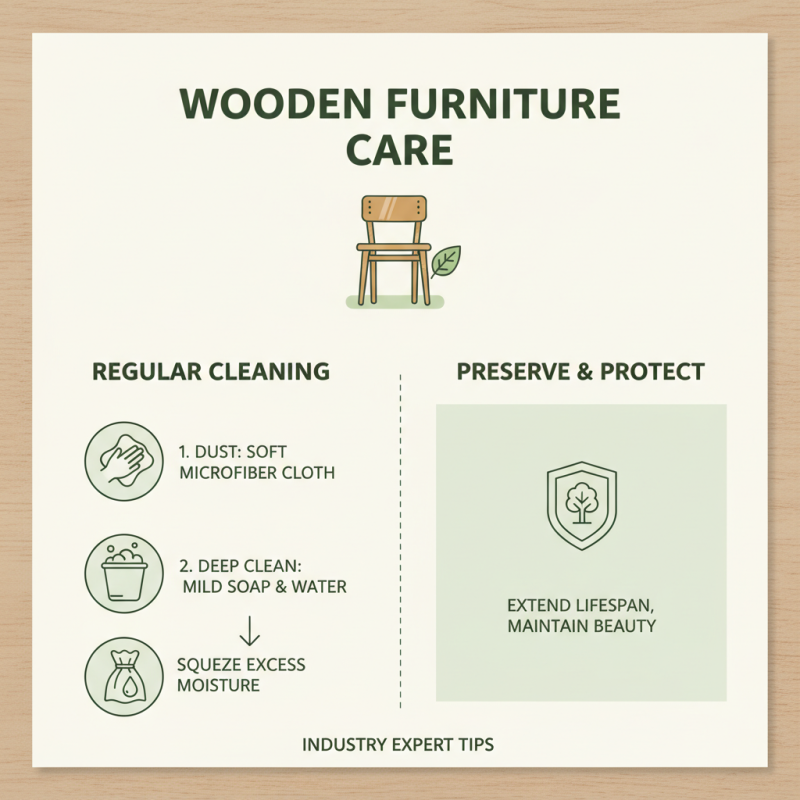
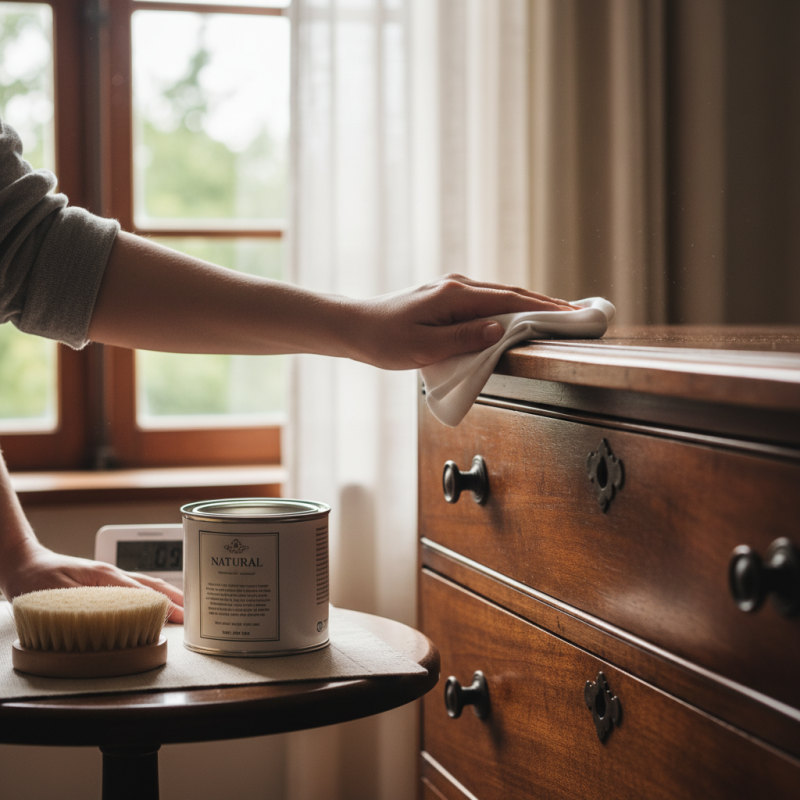
Maintaining wooden furniture requires consistent care to preserve its beauty and extend its lifespan. Industry experts recommend cleaning wooden surfaces regularly. Dust can scratch the finish, so use a soft, microfiber cloth. For deeper cleaning, use a mixture of mild soap and water. Ensure you always wring out the cloth. Excess moisture is not your friend.
Tips: Always test cleaning solutions on a small area first. You might discover that some products damage the finish. Wood is sensitive to temperature and humidity. Aim for a consistent environment to avoid warping or cracking. Avoid direct sunlight to prevent fading.
When applying polish, follow the grain of the wood. This enhances the natural patterns and provides extra protection. A report from the International Journal of Furniture Restoration notes that proper care can increase the lifespan of wooden furniture by up to 50%. Remember, over-polishing is a common mistake. It can create a buildup that dulls the finish. Keep it simple for the best results.
Effective Methods for Repairing Scratches and Dents in Wood
Wooden furniture adds warmth to any space. However, it can suffer from scratches and dents. These imperfections can be distracting and may diminish the beauty of your pieces. Addressing them quickly is key to prolonging the life of your furniture.
For light scratches, use a soft cloth and some olive oil. This simple method can restore some shine. If the damage is deeper, consider a walnut. Rubbing the nut over the scratch may help to conceal it. For dents, a damp cloth placed over the area, followed by heat from an iron, can raise the wood fibers back into place. However, this method requires caution. Too much heat can worsen the dent.
After repair, a coat of wax can protect the wood. This will keep it looking new and can help in future repairs. Remember, it’s important to regularly inspect your furniture for signs of wear. Noticing small issues early can save you from larger headaches later.
Choosing the Right Finish to Protect and Enhance Wooden Furniture
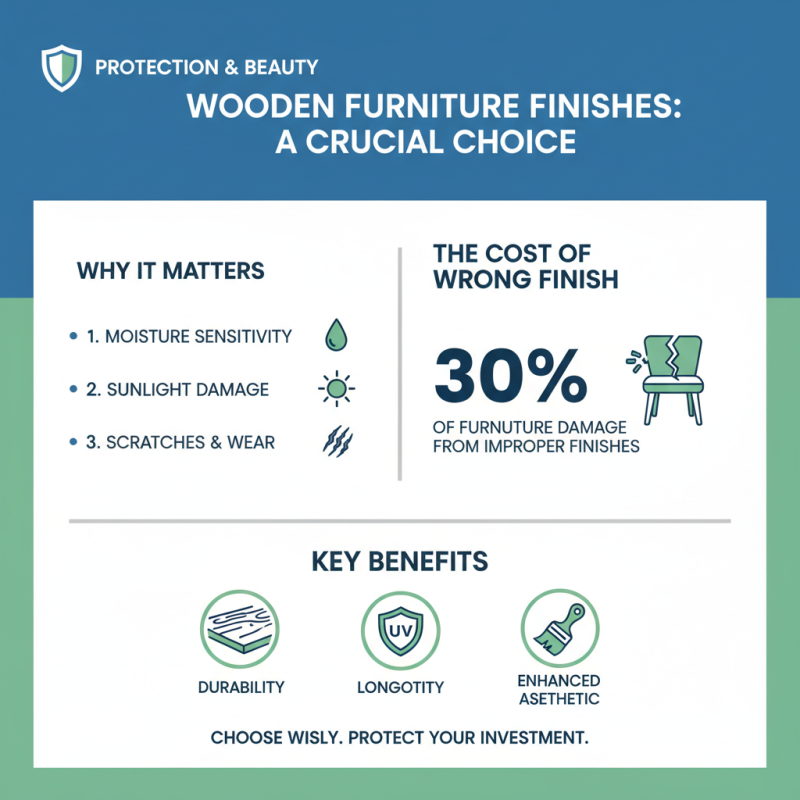
Choosing the right finish for wooden furniture is crucial. It serves both protective and aesthetic purposes. Wood can be sensitive to moisture, sunlight, and scratches. According to industry research, nearly 30% of furniture damage results from improper finishes.
Oil-based finishes are popular for their durability. They penetrate deeply, providing excellent protection against moisture. Water-based finishes dry quickly and are less toxic. However, they may not offer the same level of durability as oil finishes. Experts suggest that a well-applied oil finish can prolong furniture life up to 50%.
Stains add color but require a protective topcoat. Many homeowners overlook this step. A simple stain without a seal can lead to fading and damage. A quality topcoat can enhance appearance and withstand daily use. Reflecting on your choices is essential but often neglected. Different finishes cater to various lifestyles; consider your daily habits before deciding.