A good sofa chair should invite you to sit down and stay awhile. In 2026, the best options balance supportive cushioning, practical dimensions, sturdy construction, and upholstery suited to everyday life. Yet comfort is personal. A deep seat may feel restful to one person and awkward to another, especially in a smaller room or for someone who prefers firm support.
This guide looks at ten sofa chairs with different needs in mind, from compact reading corners to roomy living spaces. We consider seat depth, back support, materials, assembly, and how each design might fit into a real home. Picture a chair beside a lamp, with enough space for your feet to rest and a book within reach. Small details matter. Removable covers can help with routine care, while solid frames and well-finished joints may support years of regular use. Product descriptions and specifications are useful, but they cannot fully predict how a chair will feel in your own room. Not always.
Use these picks as a starting point, not a promise that one chair suits everyone. Check dimensions against your available space, review fabric-care instructions, and compare return policies before buying. A chair can look inviting online and still feel too firm or wide at home. That is worth admitting. The right choice is the one that fits your body, habits, and room—not just the trendiest design.
Understanding Sofa Chairs and Their Role in 2026
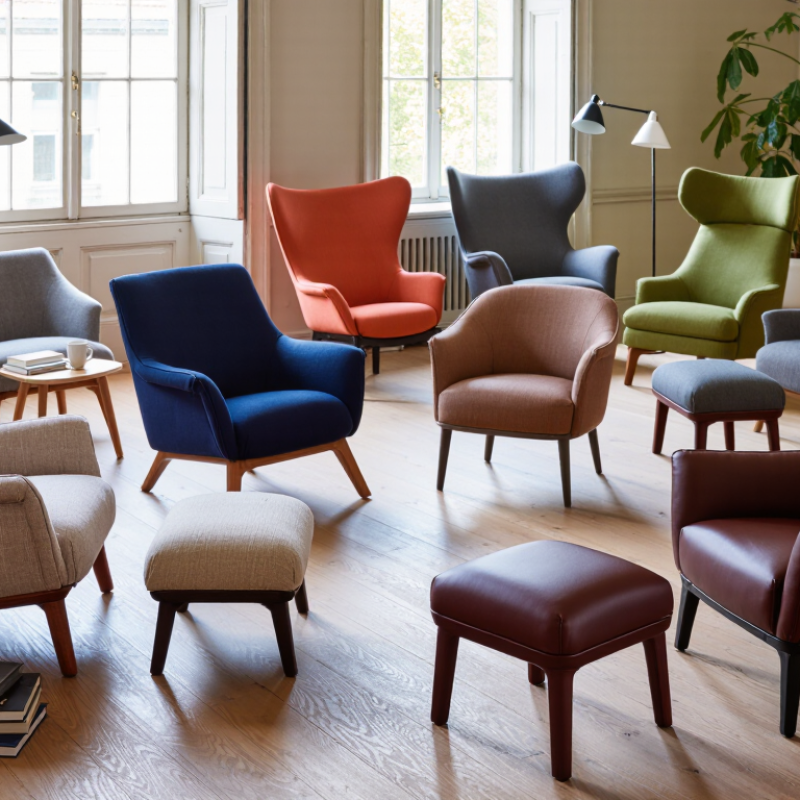
A sofa chair offers the relaxed, cushioned feel of a sofa in a smaller footprint. In 2026, it suits living rooms where flexible seating matters, from compact apartments to open-plan homes. Unlike a dining chair, it invites longer conversations, reading, or a quiet break. Some designs have broad arms and deep seats; others sit upright and fit neatly beside a window. The best choice depends on how you actually use the room, not just how it looks online.
Comfort is personal, but a few details are easy to check. Sit back and see whether your feet reach the floor and your lower back feels supported. Measure the chair’s width, depth, and doorway clearance before ordering. A very deep seat can feel inviting at first, yet leave shorter users perched forward. That trade-off is easy to overlook. Fabric texture, cushion firmness, and removable covers also affect daily use. A beautiful chair may still become the seat nobody chooses.
Tips: Test the chair in your usual sitting position, if possible. Check seat height against nearby tables, and leave enough space to walk around it. Keep the room’s main use in mind; extra plushness is not always practical. Comfort takes a little trial and error.
Typical seat and back dimensions, in inches. These are general fit guidelines, not universal standards or product measurements.
Seat height and depth affect how easily you sit down and support your legs; seat width and back height influence room to relax and upper-body support. Choose dimensions that suit your body and preferred sitting posture.
Before buying, test the seat depth with your feet flat and your back against the cushion. Your knees should bend comfortably, without the front edge pressing behind them. BIFMA’s G1 ergonomics guideline uses the 5th-percentile female and 95th-percentile male as common design bounds for accommodating a broad range of users. It concerns workplace furniture, not sofas, but the principle is useful: one fixed shape rarely fits everyone. Check seat height, depth, and arm position in person when possible. Small details matter. A thick cushion can look inviting yet leave shorter users perched forward.
Support is more than softness. Look for a stable frame, resilient seat filling, and back cushions that support your lower back without forcing you upright. Ask about cushion construction and whether covers can be cleaned; product descriptions often skip the details that affect long-term comfort. The 2024 Life at Home Report surveyed 37,428 people across 39 countries, a large sample that reflects how widely people consider home life. It does not identify the best sofa-chair dimensions, though. Your own posture and room use matter more. Sit for several minutes, shift positions, and notice whether the chair still feels supportive. I sometimes judge too quickly by softness; that can be a mistake.
A sofa chair should fit the room before it becomes a favorite seat. Measure its full width and depth, including arms, then mark that footprint with painter’s tape. Check that doors open and walking paths remain clear. A chair that looks compact online can feel bulky beside a narrow table. Measure twice.
Match the seat to how you will use it. A deeper seat can suit lounging, while a firmer, shallower one may support reading or conversation. Check seat height against your sofa and the people who will use it. If possible, sit in a similar chair for several minutes; a quick showroom test can miss pressure behind the knees. Comfort is personal. It is easy to focus on upholstery and overlook the effort of getting in and out.
Tips: Measure doorways and stair turns, not just the final spot. Compare the chair’s seat height and arm height with nearby furniture. For a small room, consider exposed legs or a visually open base. For long reading sessions, look for supportive arms and a back that meets your preferred posture. Recheck your measurements before ordering; I’d still leave extra clearance, because room layouts rarely behave exactly like a floor plan.
| Sofa Chair Style | Best For | Typical Overall Size (W × D) | Typical Seat Height / Depth | Comfort Features to Look For | Indicative Price (USD) | Space-Matching Tip |
|---|---|---|---|---|---|---|
| Compact apartment chair | Small living rooms, studios, and reading corners | 26–32 × 28–34 in | 17–19 in / 20–23 in | Supportive foam seat, slim arms, and a firm back cushion | $250–$800 | Measure doorways and walkways; leave roughly 18 in between the chair and a coffee table. |
| Classic upholstered armchair | Everyday lounging and coordinating with a standard sofa | 32–38 × 34–39 in | 18–20 in / 21–24 in | Balanced seat cushioning, padded arms, and removable covers or cushions | $400–$1,500 | Choose a similar seat height to your sofa for a visually balanced conversation area. |
| Power or manual recliner chair | TV rooms, naps, and users who want adjustable leg support | 34–40 × 36–42 in upright | 19–21 in / 20–23 in | Smooth reclining mechanism, lumbar support, and an easy-to-reach control or handle | $500–$2,000 | Check the fully reclined depth and wall-clearance requirement before buying. |
| Swivel accent chair | Open-plan rooms and seating areas that need flexible orientation | 30–36 × 30–36 in | 17–19 in / 20–23 in | Stable swivel base, smooth rotation, and a supportive curved back | $300–$1,200 | Allow clear space around the chair so it can turn without hitting a wall or table. |
| Sleeper chair | Guest rooms and multipurpose homes where an extra bed is useful | 30–38 × 34–40 in folded | 18–20 in / 21–24 in | Easy conversion, a supportive sleeping surface, and durable hinges or frame joints | $500–$1,800 | Compare the unfolded bed dimensions with the available floor area and nearby door swings. |
| Oversized lounge chair | Tall users, relaxed lounging, or a spacious family room | 38–48 × 38–46 in | 18–21 in / 24–30 in | Deep seat, generous arm width, and cushions that retain their shape | $600–$2,200 | Check the usable seat depth; a deep seat may need a lumbar pillow for shorter users. |
| Leather or leather-upholstered chair | A polished look and surfaces that can be wiped clean | 32–38 × 33–39 in | 18–20 in / 21–24 in | Well-finished upholstery, supportive cushioning, and clear care instructions | $500–$2,500 | Ask whether the upholstery is full-grain, corrected-grain, bonded, or synthetic; care and durability vary. |
| Small-scale accent chair | A decorative seat for a bedroom, entry area, or compact corner | 27–33 × 28–34 in | 16–19 in / 19–22 in | Firm seat, stable legs, and upholstery suited to the room's level of use | $200–$900 | Use a floor-plan outline or painter's tape to check the footprint before ordering. |
| High-back supportive chair | Reading, longer sitting sessions, and people who prefer more back support | 30–36 × 34–39 in | 18–20 in / 20–23 in | Back height that suits the user, firm lumbar area, and a seat that allows feet to rest on the floor | $350–$1,400 | Try the chair in person when possible; back support depends on the user's height and sitting posture. |
| Performance-fabric family chair | Busy households, frequent use, and homes with children or pets | 34–40 × 35–41 in | 18–20 in / 21–25 in | Removable or cleanable covers, durable seams, and a sturdy frame | $400–$1,600 | Check the fabric's cleaning code and care label; “performance” does not mean stain-proof. |
Note: Dimensions and price ranges are broad, indicative estimates for common chair styles, not specifications for individual products. Actual measurements, materials, and prices vary by construction and retailer. Measure the chair, delivery route, and room before purchasing.
Comfort is personal, so the best sofa chairs to buy in 2026 depend on your room and routine. A compact loveseat suits shared seating without taking over a small living room. A deep-seat lounge chair feels inviting for long evenings, though shorter users may find its cushion too far back. A reclining sofa chair supports relaxed reading. A swivel chair makes it easier to turn toward conversation.
A sleeper chair adds a guest bed when floor space is limited. A high-back chair offers more support around the shoulders. An armless modular chair can fit beside other seating and is easier to rearrange. A glider chair moves gently, which can feel soothing during quiet breaks. Check the frame and movement in person when possible. Smooth motion matters.
For tighter rooms, an apartment-scale sofa chair can provide generous seating without oversized arms. A chair with a washable cover is useful for homes with frequent spills. An ergonomic sofa chair, with firm cushioning and a supportive back, may suit daily use better than a very soft model. Small details count: measure the doorway, check the seat depth, and see whether your feet rest comfortably on the floor. I would not call any style perfect. A plush seat may feel wonderful at first, then offer too little support after an hour.
A sofa chair stays comfortable when small care habits become routine. Vacuum the seat seams every week, where crumbs and dust collect. Use a soft brush attachment, and avoid pressing hard against delicate upholstery. For fabric covers, check the care label before using water or cleaner. A pale cloth dampened with cool water can lift a fresh spill; blot gently instead of rubbing it deeper. Let the area air-dry fully. No harsh scrubbing.
Cushions can flatten unevenly, especially in a favorite reading spot. Turn or rotate removable cushions every few weeks, and smooth their covers by hand. If the chair has loose filling, reshape it gently rather than forcing it into place. Keep the chair away from strong sunlight and heating vents, which can fade fabric or dry out leather. I still forget this when rearranging a room, and one sunlit corner can show wear sooner than expected. Check the legs and joints occasionally for wobbling, and tighten only fittings designed to be adjusted. A chair that feels less supportive may need new cushion filling, not another decorative pillow. Don’t ignore the small changes.