2026 Best Country Furniture Trends for Global Buyers?
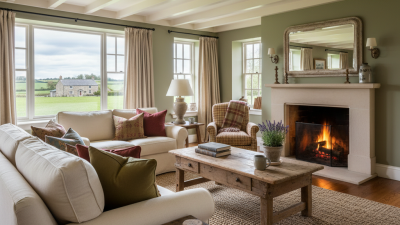
As the world continues to embrace unique lifestyles, country furniture trends are evolving. In 2026, these trends will reflect a blend of rustic charm and modern sensibilities. Buyers from various backgrounds seek authenticity and quality. They want pieces that tell a story and evoke warmth.
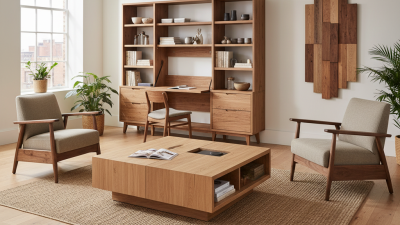
Country furniture encapsulates simplicity and functionality, catering to diverse tastes. Innovative designs merge traditional craftsmanship with contemporary aesthetics. Natural materials like wood and stone will remain popular, showcasing sustainability. Colors inspired by nature—earthy tones and soft pastels—will dominate the market.
However, challenges persist. Finding reliable sources can be daunting. Some buyers may prioritize style over durability. This could lead to regret later on. Thus, discerning global buyers must focus on quality over quantity. By doing so, they can invest in timeless pieces that enhance their homes for years to come.
2026 Country Furniture Trends: Key Influences on Global Consumer Preferences
The 2026 country furniture trends are influenced heavily by shifting consumer preferences. According to a recent industry report, 72% of global buyers prioritize sustainability in their furniture choices. This shift reflects a growing awareness of environmental issues. Consumers are increasingly drawn to furniture made from reclaimed or sustainably sourced materials.
Additionally, comfort and functionality are key. Studies indicate that 65% of buyers prefer pieces that offer both style and practicality. This trend affects design choices, leading to more modular and adaptable furniture options. Global consumers seek items that fit their lifestyle while providing aesthetic appeal.
Yet, the market isn't without its challenges. Many manufacturers struggle to meet the demand for eco-friendly options. Amid rising costs and supply chain issues, the transition to sustainable practices can be difficult. This creates a gap between consumer expectations and industry capabilities, highlighting an area needing reflection and improvement.
2026 Best Country Furniture Trends for Global Buyers
| Trend |
Description |
Key Influences |
Consumer Preferences |
| Sustainable Materials |
Use of eco-friendly wood and recycled materials to produce furniture. |
Environmentally-conscious consumers, climate activism. |
Preference for products with certifications like FSC. |
| Rustic Chic |
Combining modern designs with rustic elements to create a cozy atmosphere. |
Nostalgia for farmhouse aesthetics, urban designers. |
Desire for warm and inviting living spaces. |
| Multifunctional Furniture |
Furniture that serves multiple purposes to maximize space. |
Urban living trends, increasing compact living situations. |
Growing interest in practical and versatile decor. |
| Vintage Revival |
Use of vintage designs and aged finishes to add character. |
Interest in sustainability, desire for uniqueness. |
Preference for individualized furniture pieces over mass-produced items. |
| Nature-inspired Colors |
Use of greens, browns, and earth tones to create calming spaces. |
Increased focus on well-being and mental health. |
Popularity of calming, nature-centric home environments. |
Sustainable Materials: The Rise of Eco-Friendly Furniture Choices
In recent years, the demand for sustainable materials in furniture design has gained momentum. Eco-friendly furniture choices often utilize reclaimed wood, bamboo, or recycled metals. These materials not only reduce environmental impact but also add a unique character to each piece. Buyers are increasingly drawn to items that tell a story, reflecting craftsmanship and care for the planet.
However, the rise of eco-friendly furniture does come with challenges. Many consumers may struggle to identify genuinely sustainable products amid greenwashing tactics. They may ask, how can they be sure? Not all eco-friendly claims are backed by independent certifications. This can create confusion and distrust.
The shift towards sustainability also urges manufacturers to rethink their processes. Some are still lagging behind, using standard materials that harm the environment. Innovations in furniture design must address these concerns. The industry must prioritize transparency and integrity. Only then can eco-friendly choices truly take root in the market.
Color Palettes for 2026: Trends Shaping Country Aesthetic Designs
As the world of country furniture evolves, so do the color palettes that define its aesthetic. In 2026, muted earth tones are gaining popularity, reflecting a natural connection to the outdoors. Shades like warm terracotta, deep olive green, and soft beige are trending. Reports indicate that about 68% of consumers prefer these organic hues for their homes. This preference promotes a cozy, welcoming atmosphere.
Unexpected pops of color are also emerging. Bright pastel accents, such as soft yellows and light blues, provide a refreshing contrast to traditional palettes. The incorporation of these colors can uplift a space, creating a sense of joy and comfort. Data from industry surveys show that 32% of buyers are exploring these bold choices. However, the challenge lies in balancing these vibrant elements with the calming tones typical of country designs.
Moreover, there's an increasing focus on sustainable materials. Homeowners are now prioritizing eco-friendly options that align with their values. Furniture crafted from reclaimed wood or organic textiles is particularly appealing. However, sourcing these materials can be difficult, requiring diligence in research and an understanding of suppliers. The market shows promise, but implementation can often falter due to limited accessibility and higher costs. The journey to a sustainable, yet stylish, country aesthetic is filled with complexities that require careful consideration.
Smart Furniture: Integration of Technology in Country Style Decor
The integration of technology into country style decor is an exciting trend for 2026. Smart furniture is now enhancing traditional aesthetics. Imagine a rustic wooden table that adjusts its height with a simple touch. This blend of nature and technology appeals to many modern buyers. They appreciate the charm of country decor while enjoying convenience.
Innovative lighting options are also gaining popularity. Smart lights can change color and brightness, matching the mood of the room. Picture a cozy evening with soft, warm light illuminating a beautifully crafted sideboard. This setup reflects a seamless connection between comfort and utility. Yet, challenges may arise. With so many options, it can be overwhelming to choose the right technology that suits personal style.
Sustainability remains vital in these trends. Many buyers want eco-friendly solutions that blend with their country decor. However, finding tech products that meet these requirements can be difficult. The pursuit of a perfect balance between aesthetics and functionality often leads to reflection. How much tech is too much in a cozy, inviting space? This question continues to spark discussions among enthusiasts.
Regional Variations: Unique Country Furniture Trends Across Different Markets
Across the globe, country furniture trends reflect unique cultural influences. In Europe, rustic aesthetics dominate. Reports by the International Furniture Fair indicate that over 70% of buyers prioritize authenticity in design. Natural materials, such as reclaimed wood, are favored for their sustainable appeal. The prevalence of warm color palettes creates inviting living spaces.
In contrast, North America showcases modern interpretations of classic styles. A survey by the American Home Furnishings Alliance reveals that 65% of consumers lean towards farmhouse-inspired designs. These incorporate contemporary elements while maintaining a cozy atmosphere. Artisans are experimenting with blending modern finishes with traditional craftsmanship.
Asia exhibits a distinct trend, where minimalist designs merge with country charm. Research by market analytics firms indicates a growing interest in multifunctional furniture. Buyers value pieces that conserve space without sacrificing style. However, not all regions have embraced change equally. While urban areas thrive with innovative approaches, rural markets often remain loyal to traditional designs. This juxtaposition highlights the diversity in consumer preferences within country furniture.